
How Long Does a Bathroom Renovation Take?
Bathroom Renovation Timeline & What To Expect
Bathroom Renovations can be complicated and time consuming, especially when you are trying to coordinate design choices, trades, materials, waterproofing, tiling and final finishes. We help you understand the typical bathroom renovation timeline that can help you plan ahead, avoid delays and know what to expect at each stage of the project.

Bathroom Renovation Process
Understanding what a bathroom renovation involves!
A bathroom renovation involves updating or replacing the main parts of a bathroom, such as the tiles, vanity, shower, bath, toilet, lighting, plumbing fixtures and finishes. It can also include demolition, waterproofing, plumbing and electrical work to make the space more practical, safe and modern.
Communication is key at SCIT and plays an important role in setting clear expectations around how and when a project is completed. Our on-site consultation allows us to assess your bathroom’s existing condition, identify any structural concerns, and understand possible limitations before work begins. From there, we collaborate with the homeowner on layout, colours, tiles, fixtures and other design preferences to create a bathroom that is not only highly functional, but also comfortable, practical and unique to your home.
A licensed builder & professional remodeller like SCIT would take on important responsibilities such as:
- Preparing a realistic renovation schedule
- Coordinating licensed trades at the right stages
- Managing material orders and delivery timing
- Ensuring work meets relevant building standards
- Monitoring workmanship and installation quality
- Managing project changes or unexpected issues
- Keeping the renovation on track from start to finish
- Completing final checks before handover
Phases of a Renovation Project
A bathroom renovation is usually completed in several key phases. Each stage plays an important role in making sure the project is planned properly, built safely and finished to a high standard. While every bathroom is different, most renovation projects follow a similar process:
- Planning and preparation – confirming the scope of work, timeline, materials and project requirements before work begins.
- Site preparation – protecting surrounding areas, organising access and preparing the bathroom for renovation work.
- Rough-in stage – completing essential behind-the-wall work before surfaces are closed and finishes are installed.
- Surface preparation – preparing walls, floors and wet areas so the bathroom is ready for the next stage.
- Installation stage – installing selected finishes, fittings and bathroom features according to the approved design.
- Final checks and handover – reviewing the completed work, checking details and making sure the bathroom is ready to use.
Understanding these phases helps homeowners know what to expect and why a quality bathroom renovation takes careful planning, coordination and attention to detail.
Timephrase for each Phases of a Bathroom Renovation
Several factors can influence how long a bathroom renovation takes. While some bathrooms follow a straightforward timeline, others require additional planning, trade coordination or approval before work can move ahead.
- Approvals and Strata Requirements
Some Sydney bathroom renovations may need approval, especially in apartments, strata buildings or properties where plumbing, waterproofing, walls or common areas may be affected. Waiting for approvals or building manager access can impact the project schedule.
- Older Homes and Apartment Limitations
Older homes and apartment bathrooms can sometimes reveal issues after strip out, such as uneven surfaces, water damage, poor previous workmanship or restricted access. These conditions may require additional preparation before the bathroom can be rebuilt properly.
- Bathroom Size and Layout
- Custom Features and Finishes
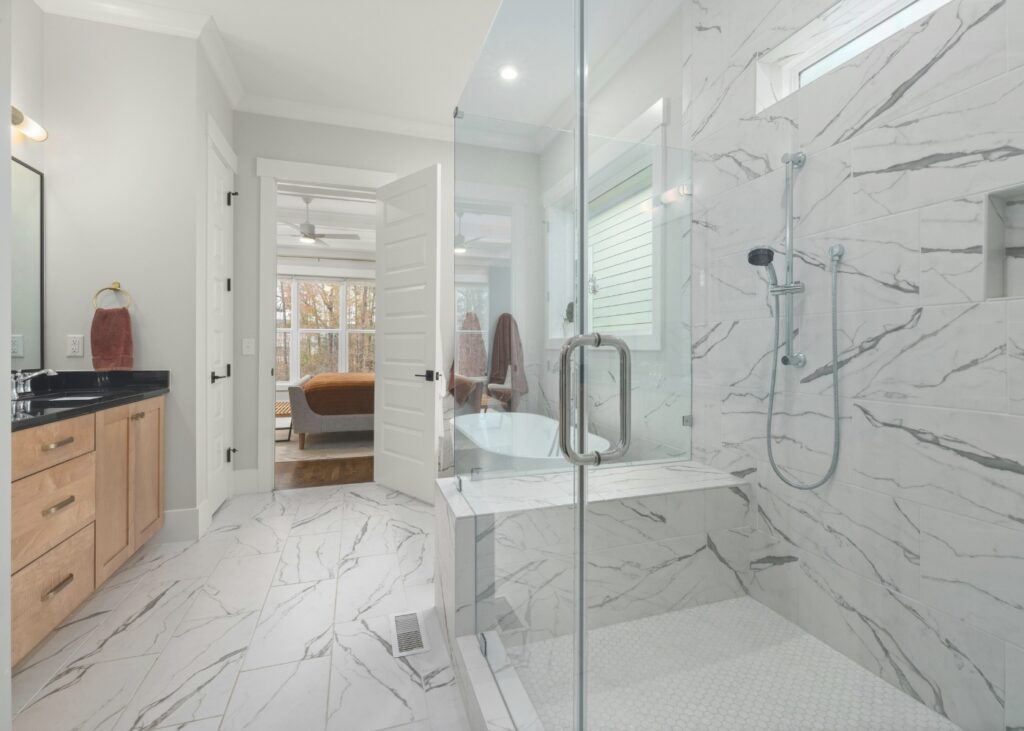
Special design features can also add time to the project. Items such as custom vanities, feature tiles, shower niches, stone surfaces, concealed cisterns or frameless shower screens may need extra measuring, ordering, installation time and specialist workmanship.
- Plumbing or Structural Changes
Keeping the existing layout is usually simpler. However, moving a shower, toilet, bath or vanity can involve extra plumbing work. If walls, floors or structural elements need to be changed, the project may require further assessment before work continues.
- Trade and Material Scheduling
A smooth bathroom renovation depends on having the right trades and materials ready at the right time. Delays in tiles, fixtures, custom cabinetry, waterproofing, glass or trade availability can affect the overall completion date.
At SCIT, we plan each stage carefully to reduce avoidable delays and give homeowners a clearer understanding of what may affect their bathroom renovation timeline.
What Can Delay a Bathroom Renovation in Sydney?
Even with careful planning, a bathroom renovation timeline can change once work begins. Some delays are caused by approvals, material availability, existing property conditions or the need to coordinate licensed trades in the correct order. Below is a realistic guide to what may add time to a Sydney bathroom renovation.
- Bathroom Size and Layout — May add 2 to 7 working days
- Custom Features and Finishes — May add 1 to 4 weeks
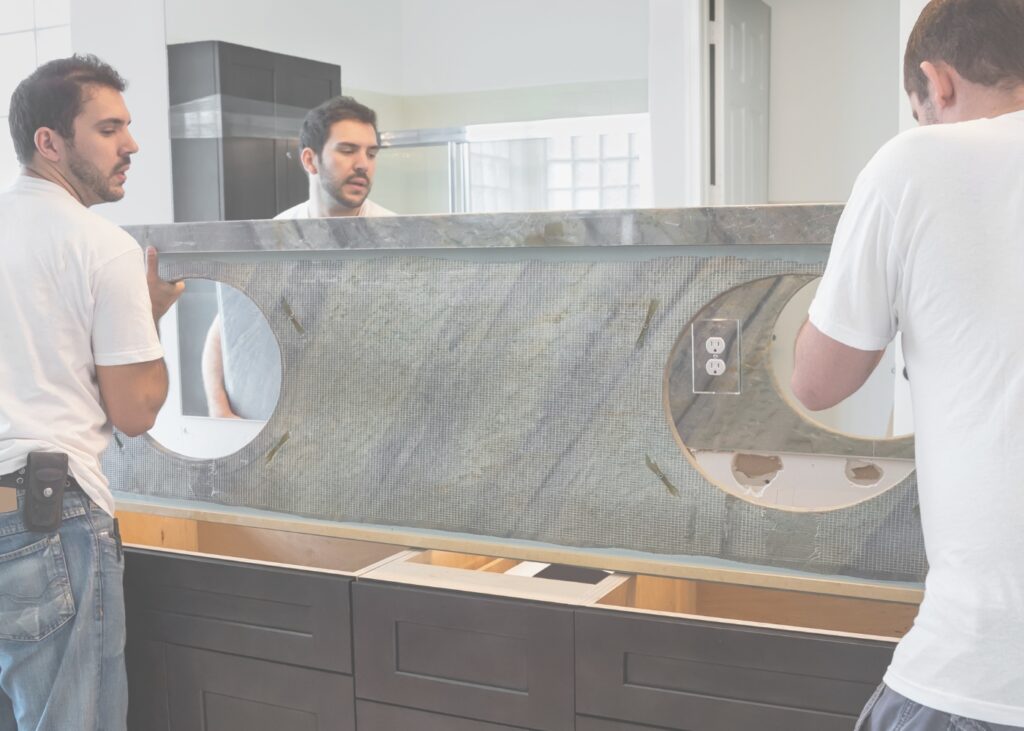
Custom vanities, stone benchtops, frameless shower screens, recessed niches, feature tiles or in-wall cisterns can extend the timeline. Some items need to be measured after preparation work is complete, then manufactured or delivered before they can be installed.
- Plumbing or Electrical Changes — May add 2 to 7 working days
- Structural Changes — May add 1 to 3 weeks
Removing walls, changing openings, altering floor levels or repairing structural damage can add significant time. These works may require further assessment before the renovation continues, especially in older homes or apartment buildings.
- Waterproofing and Drying Times — May add 2 to 5 working days
Waterproofing must be completed properly before tiling can begin. Drying and curing times can vary depending on the product used, site conditions, ventilation and the number of coats required.
- Tile Selection and Tiling Complexity — May add 2 to 10 working days
Large-format tiles, mosaic tiles, herringbone patterns, mitred edges, feature walls or full-height tiling can take longer than a standard tile layout. Extra preparation may also be needed if walls or floors are uneven.
- Strata Approval — May add 2 to 6 weeks
- Council or Certifier Approval — May add 3 to 10 weeks or more
Most straightforward internal bathroom updates may not need council approval, but structural changes or more complex works may require formal approval. Complying development may be faster, while a Development Application can take longer depending on the council, project type and documentation.
- Older Homes or Hidden Damage — May add 2 to 10 working days
- Material or Trade Availability — May add 1 to 4 weeks
Delays can occur when tiles, tapware, vanities, glass, cabinetry or specialist trades are not available at the required time. Booking trades and ordering materials early can help reduce avoidable delays.
How to Keep Your Bathroom Renovation on Schedule in Sydney
Keeping a bathroom renovation on schedule starts before the first day of work. Homeowners can help reduce delays by confirming the design, choosing tiles, tapware, vanity, shower screen and fittings early, and making sure all major materials are available before demolition begins. Waiting until the project has already started to select products can slow down plumbing, waterproofing, tiling and installation stages.
It is also important to understand whether the renovation needs strata approval, building manager access, or any additional documentation before work begins. This is especially important for apartment bathrooms in Sydney, where lift bookings, noise restrictions, waste removal rules and waterproofing requirements can affect the timeline.
A clear scope of work also helps keep the renovation moving. Changes to the layout, fixtures or finishes after work has started may require new measurements, extra trade visits or additional materials. By planning early, ordering ahead and working with an experienced renovation team, homeowners can help keep their bathroom renovation more organised, predictable and on track.
Frequently Asked Questions
Can I live at home during a bathroom renovation?
In most cases you can stay at home during a bathroom renovation. However, access to the bathroom will be limited during key stages, so it is important to plan ahead, especially if it is the only bathroom in the property.
What should I do before the renovation starts?
Before work begins, remove personal items from the bathroom, clear nearby access areas, and make sure important decisions have been confirmed. This helps the renovation team start work without unnecessary interruptions.
Will there be noise and dust during the renovation?
Bathroom renovations usually involve noise, dust and some disruption, particularly during strip out, cutting, drilling and surface preparation. A professional renovation team will take steps to manage the work area and reduce disruption where possible.
What happens if my home only has one bathroom?
If your property only has one bathroom, it is important to plan temporary arrangements before work begins. This may include using another bathroom in the home, arranging access elsewhere, or discussing staged access where possible.
Can I make changes once the bathroom renovation has started?
Some changes may be possible, but they can affect the timeline, cost and trade scheduling. It is always better to finalise key decisions before work begins to avoid delays or rework.
Does the renovation timeline include ordering materials?
Not always. Some renovation timelines refer only to the on-site construction period. Product selection, ordering, delivery, custom manufacturing and approvals can add extra time before the physical renovation begins.
When can I use the bathroom after the renovation is finished?
The bathroom can usually be used once all final checks are complete and the space has been properly cleaned and handed over. Some products, sealants or finishes may need additional curing time before regular use.
Is every bathroom renovation timeline the same?
No. Every bathroom is different. The final timeline depends on the existing condition of the space, the renovation scope, access, materials, trade availability and whether any unexpected issues appear during the project.
Get In touch Today!
For any questions, please call us on 0410 980 295 or email us on [email protected]. Alternatively, fill out the below form and we’ll get in touch with you! For the latest news about us, follow us here.